

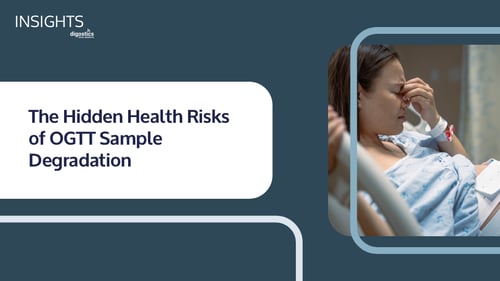
Gestational diabetes mellitus (GDM) affects a significant proportion of pregnancies and is associated with short- and long-term risks for both mother and baby. The oral glucose tolerance test (OGTT) remains the gold standard for diagnosis. However, the clinical value of the OGTT depends entirely on the accuracy of the blood glucose results obtained. When those results are compromised - as is often the case with degraded samples - the consequences extend far beyond laboratory error. They directly impact maternal and neonatal health.
Missed Diagnoses, Missed Opportunities
If glucose levels degrade before analysis, women with GDM may receive a false-negative result or have the severity of their GDM underestimated. This prevents timely initiation of evidence-based interventions such as dietary management, glucose monitoring, and, when necessary, pharmacological treatment. Each missed diagnosis represents a missed opportunity to mitigate preventable risks.
During pregnancy, the natural increase in insulin demands can overwhelm already impaired pancreatic β-cell function in women with PCOS, tipping them into hyperglycaemia and GDM. Elevated androgen and luteinising hormone levels further contribute by altering insulin signalling and β-cell performance.
Maternal Health Consequences
For women, undiagnosed or untreated GDM substantially increases the risk of hypertensive disorders of pregnancy, including pre-eclampsia, which can threaten both maternal and foetal wellbeing. Labour complications are also more frequent, with higher rates of obstructed labour and emergency caesarean sections due to foetal overgrowth. Beyond pregnancy, failure to identify and manage GDM contributes to an elevated lifetime risk of type 2 diabetes - 50% within 5 years. Early diagnosis is therefore not only critical to safe pregnancy outcomes but also a key intervention in long-term maternal health.
Neonatal and Infant Outcomes
For the newborn, the consequences of undiagnosed GDM are just as serious. Excessive foetal growth (macrosomia) is one of the most common complications, potentially resulting in traumatic deliveries. Babies exposed to maternal hyperglycaemia are at increased risk of hypoglycaemia immediately after birth, frequently requiring admission to neonatal intensive care units. Respiratory distress and perinatal mortality also occur more frequently when maternal GDM is left unmanaged.
Long-term consequences must also be considered. There is robust evidence that untreated GDM predisposes children to obesity, impaired glucose tolerance, and type 2 diabetes later in life. Thus, the effects of a missed diagnosis extend across generations.
Systemic Burden
Beyond the immediate health risks, undiagnosed GDM places considerable strain on healthcare systems. Obstetric complications, increased operative delivery rates, and neonatal intensive care admissions all represent avoidable burdens that accurate diagnosis could mitigate.
Safeguarding Accuracy for Better Outcomes
While technical solutions to sample degradation are well known, their implementation is often inconsistent. What matters most is that clinicians can rely on the OGTT to deliver accurate results, ensuring that women who require intervention are correctly identified. New approaches, such as at-home testing solutions where samples are analysed immediately after collection, address this problem directly and safeguard test accuracy.
Protecting Mothers and Babies
Ultimately, the reliability of the OGTT is not a laboratory concern alone - it is a maternal and child health issue. When samples degrade, lives are affected. Ensuring accurate diagnosis of GDM is essential to protecting the health of mothers and babies, both during pregnancy and long after delivery.
.png?height=200&name=World%20Diabetes%20Day%20(1).png)


Leave a Comment